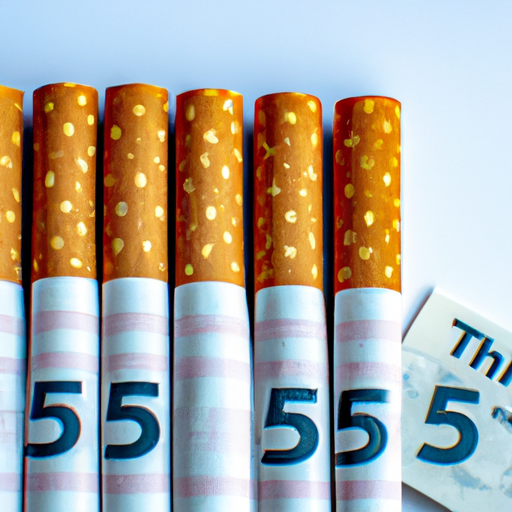
As a non-smoker living in the United Kingdom, I have always been curious about the prevalence and impact of cigarettes in this country. After all, the UK is known for its strict regulations and public health initiatives, yet cigarettes still seem to have a strong foothold in society. So, in this article, I will delve into the world of cigarettes in the UK, exploring their history, their impact, and the current state of smoking in this country.
The History of Cigarettes in the UK
Cigarettes have been a part of British culture for centuries, with the first tobacco plant arriving on British shores in the 16th century. It wasn’t until the 19th century, however, that the mass production of cigarettes began, thanks to technological advancements in tobacco processing. Initially, cigarettes were seen as a luxury item and were primarily enjoyed by the upper classes. But with the Industrial Revolution bringing about changes in society and the marketing of cigarettes, their popularity began to spread to the middle and working classes.
In the early 1900s, cigarettes were seen as a fashion statement and were often smoked by women as a symbol of independence and rebellion against traditional gender roles. However, the negative health effects of smoking began to emerge in the mid-20th century, and campaigns against smoking started to gain traction. In 1965, the UK government introduced its first warning labels on cigarette packaging, and the first ban on TV and radio advertising of cigarettes was implemented in 1968.
Impact of Cigarettes on Health
The link between cigarettes and health was not fully understood until the 1950s when research emerged showing a strong correlation between smoking and lung cancer. This revelation sparked public health campaigns, stricter regulations, and a shift in social attitudes towards smoking. These efforts have been successful in reducing the number of smokers in the UK, with the current percentage of adults smoking regularly at around 15%.
However, the impact of cigarettes on health is still a major concern. According to the British Medical Association, smoking is responsible for around 480,000 deaths every year in the UK, making it the leading cause of preventable death. It is not just lung cancer that is linked to smoking; cigarettes also increase the risk of developing various other types of cancer, heart disease, stroke, and respiratory diseases. Non-smokers are also affected by secondhand smoke, which can cause health issues such as asthma and heart disease.
Current State of Smoking in the UK
Despite the decline in smoking rates, cigarettes are still a prevalent part of UK society. While laws and regulations have made it harder to buy cigarettes and smoke in public places, they have not been completely eradicated. A survey by the Office for National Statistics found that 5.4% of 16 to 24-year-olds in the UK were regular smokers in 2019, which is an increase from the previous year. This statistic is concerning as it suggests that smoking is still seen as a socially acceptable activity among young people.
In addition to the impact on health, smoking also has financial implications. The average price of a pack of 20 cigarettes in the UK is around £12, making it one of the most expensive countries to buy cigarettes in. This price is a combination of tobacco duty, value-added tax, and retailer profit. The high cost, however, has not deterred all smokers. According to the NHS, 7.2 million adults in the UK still smoke, demonstrating that the habit is deeply ingrained in some people’s lives.
Efforts to Reduce Smoking in the UK
The UK government has been proactive in its efforts to discourage smoking and reduce the number of smokers in the country. One of the most significant initiatives was the introduction of plain packaging in 2016. This meant that all cigarettes sold in the UK must be in uniform, unappealing packaging, with graphic health warnings covering 65% of the front and back. The aim of this policy is to make cigarettes less appealing, especially to young people.
In recent years, the government has also implemented other measures such as increased taxes on tobacco products, a ban on smoking in enclosed public spaces, and the introduction of stop-smoking services. These efforts have been somewhat successful, with smoking rates continuing to decline. However, there are still challenges. The rise of e-cigarettes and vaping, while seen by some as a healthier alternative to smoking, has also raised concerns about their potential risks and long-term effects. The government is still in the process of regulating these products to ensure their safety and minimize their appeal to non-smokers.
Conclusion
Cigarettes in the UK have a long and complex history, and their impact on health and society is still a major concern. While efforts to reduce smoking in the UK have been successful in many ways, cigarettes are still a prevalent part of our culture, with plenty of people still addicted to them. The UK government must continue to take a proactive approach to discourage smoking and educate people on the dangers of this habit. As individuals, we can also do our part by supporting friends and family who want to quit and being conscious of the influence we have on others, especially young people, when it comes to smoking. Only by working together can we hope to see a significant decline in smoking in the UK.