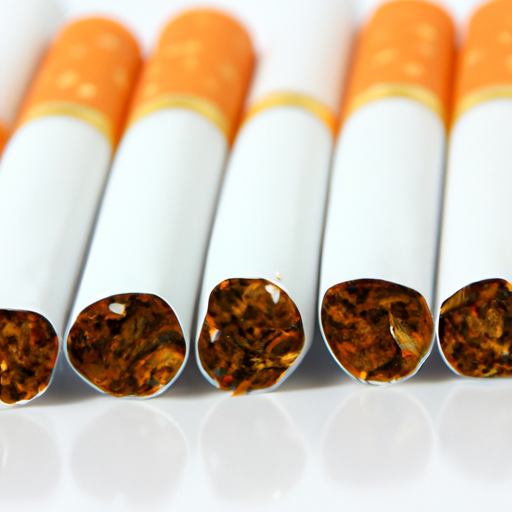
As a smoker in the UK, I have a complex relationship with cigarettes. On one hand, I enjoy the ritual of lighting up and the familiar taste of my chosen brand. On the other hand, I am aware of the health risks and societal stigma that come with smoking. Despite numerous attempts to quit, I find myself drawn back to the comfort and familiarity of cigarettes. In this article, I will delve into the world of cigarettes in the UK, exploring their history, current regulations, and the impact they have on individuals and society as a whole.
History of Cigarettes in the UK
The history of cigarettes in the UK can be traced back to the 16th century when tobacco was first introduced to Europe. It was initially used for medicinal purposes, but by the 17th century, tobacco consumption had become widespread in the form of pipes and snuff. However, it was not until the late 19th century that modern cigarettes, as we know them today, were introduced.
During the World Wars, cigarettes were given to soldiers as a ration, leading to an increase in their popularity and widespread use. By the 1950s, smoking had become a societal norm, with tobacco companies heavily promoting the habit as glamorous and sophisticated. It was not until the 1960s that the first studies linking smoking to lung cancer and other health issues emerged, sparking a gradual decline in smoking rates.
Current Regulations on Cigarettes in the UK
Today, cigarettes are heavily regulated in the UK, with strict laws and regulations in place to discourage smoking and protect the public from its harmful effects. The main piece of legislation is the Tobacco and Related Products Regulations 2016, which oversees the sale, packaging, and advertising of tobacco products in the UK.
Under these regulations, all cigarettes sold in the UK must display explicit health warnings, including graphic images, on at least 65% of the front and back of the packaging. As a result, cigarette packaging has become a disturbing sight, with images of diseased lungs and rotting teeth intended to shock and discourage potential buyers.
In addition to packaging regulations, the UK also has strict laws on smoking in public places. Since 2007, smoking has been prohibited in all enclosed public spaces, from restaurants and bars to workplaces and public transport. This has significantly reduced exposure to secondhand smoke and created a more comfortable environment for non-smokers.
Impact of Cigarettes on Individuals
Smoking is a highly addictive habit, and the impact it has on individuals can be devastating. As a smoker, I am well aware of the health risks associated with cigarettes. According to the National Health Service (NHS), smoking is the leading cause of preventable death in the UK, with over 100,000 people dying each year from smoking-related diseases.
Despite this knowledge, quitting smoking is not an easy feat. Nicotine, the addictive substance in cigarettes, can cause physical and psychological dependence, making it challenging to break the habit. As a result, many smokers struggle to quit, even when faced with serious health consequences.
Aside from the health risks, smoking can also have a significant financial impact on individuals. In the UK, a pack of 20 cigarettes can cost anywhere from £10 to £14, depending on the brand and location. As a regular smoker, I can attest to the fact that this expense can add up quickly, especially if you smoke multiple packs a day.
Impact of Cigarettes on Society
The consequences of smoking are not limited to individuals but extend to society as a whole. According to the NHS, smoking-related healthcare costs amount to over £2 billion annually, placing a strain on the healthcare system. Furthermore, lost productivity due to smoking-related illnesses costs the UK economy an estimated £11 billion per year.
The impact of cigarettes also extends to the environment. Cigarette butts are the most commonly littered item in the world, with an estimated 4.5 trillion discarded annually. These non-biodegradable filters can take up to 10 years to break down and can contaminate the soil and water with toxic chemicals.
Efforts Towards Reducing Smoking Rates in the UK
In recent years, the UK government has taken steps towards reducing smoking rates in the country. These efforts include implementing stricter regulations on the sale and advertising of tobacco products, as well as investing in smoking cessation programs.
One of the most significant steps taken by the UK government was the introduction of plain packaging for cigarettes in 2017. The aim of this measure was to remove any attractive branding or imagery from cigarette packaging, making them less appealing to potential smokers, especially young people.
The government has also invested in stop-smoking services, which provide support and resources for those looking to quit. These services offer a range of options, including counseling, nicotine replacement therapy, and prescription medication, to help individuals break the habit.
Furthermore, the UK has also seen a rise in alternative nicotine products, such as e-cigarettes, which are believed to be less harmful than traditional cigarettes. These products have gained popularity among smokers looking to reduce or quit smoking altogether.
Conclusion
In conclusion, cigarettes have a long and complex history in the UK, from their introduction as a medicinal herb to their widespread use and subsequent decline. While strict regulations and efforts to reduce smoking rates have been put in place, the impact of cigarettes on individuals and society continues to be felt.
As a smoker, I am acutely aware of the health risks and societal stigma associated with smoking, yet I continue to struggle with quitting. It is a personal choice that I, and many other smokers, make despite knowing the consequences. Only time will tell if the efforts towards reducing smoking rates in the UK will be successful in creating a smoke-free society.