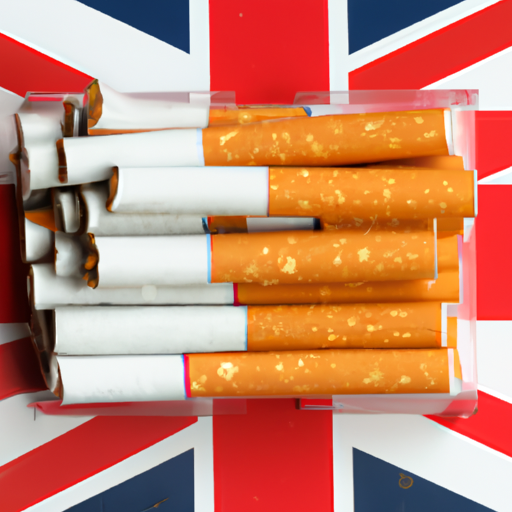
As someone who has lived in the UK for my entire life, I have seen the impact that cigarettes have had on our society. From the early days of smoking being seen as glamorous and sophisticated, to now being heavily regulated and ostracized, the story of cigarettes in the UK is a complex and ever-evolving one.
Growing up, I remember seeing my parents and their friends smoking at social gatherings and even inside our own home. It was a common sight and something that I thought was just a normal part of life. But as I got older and learned about the harmful effects of smoking, my perception began to shift.
As I entered my teenage years, I started to see how cigarettes were perceived in society. They were seen as cool and rebellious, with many of my peers taking up smoking as a way to fit in or rebel against authority. Even though I knew about the health risks, there was still a sense of allure and excitement around smoking.
It wasn’t until I started to see the effects of smoking on those around me that my views truly changed. I had friends who became addicted to cigarettes and struggled to quit, and family members who suffered from smoking-related illnesses. It was then that I realized the true impact of cigarettes on individuals and our society as a whole.
In the UK, cigarettes have a long and complicated history. While tobacco was first introduced to Europe in the 16th century, it wasn’t until the early 19th century that smoking became popular in the UK. It was initially seen as a luxury and a symbol of status, with only the wealthy being able to afford it.
But as demand grew, production increased and cigarettes became more affordable and accessible to the general public. By the mid-20th century, smoking was prevalent in all levels of society and was seen as a normal and accepted habit.
It wasn’t until the 1980s that the UK government started to take action against smoking. In 1984, cigarette advertising was banned on TV and radio, followed by a ban on billboard and print advertising in 2003. This was a huge step in limiting the promotion of cigarettes to the public, especially to younger generations.
In 2007, the UK introduced the smoking ban which prohibited smoking in all enclosed public spaces, including restaurants, pubs, and workplaces. This was met with mixed reactions, with some seeing it as a necessary move for public health, while others saw it as an infringement on their personal choices and freedoms.
As someone who was a smoker at the time, I remember the initial difficulties of adjusting to the ban. I had to plan my nights out differently and find designated smoking areas, which were often cramped and unpleasant. But as time went on, I realized the positive impact it had on both my own health and the health of those around me.
In recent years, the UK government has continued to implement regulations and campaigns aimed at reducing smoking rates. In 2015, plain packaging was introduced, meaning that all cigarettes must be sold in standardized green packaging with graphic health warnings. This move was highly debated, with tobacco companies arguing that it would lead to an increase in illegal tobacco sales.
Despite these efforts, smoking remains a prevalent issue in the UK. According to the Office for National Statistics, in 2019, 14.9% of adults in the UK were smokers. This number may seem low, but it still equates to over 7 million people, highlighting the ongoing challenge of smoking in our society.
One of the reasons for the high number of smokers in the UK is undoubtedly the availability and affordability of cigarettes. While the UK has one of the highest tobacco taxes in Europe, cigarettes are still relatively cheap compared to other countries. This makes it easier for people to start smoking and harder for those who want to quit.
Another factor is the strong influence of the tobacco industry in the UK. Despite regulations and restrictions, tobacco companies continue to find ways to market their products and influence public opinion. They also have a strong lobbying presence, making it difficult for the government to introduce stricter measures.
But it’s not just about the cost and marketing of cigarettes. Smoking is also deeply ingrained in our society, with many people using it as a coping mechanism or a way to socialize. Breaking these habits and finding healthier alternatives can be a daunting task for many.
However, there has been progress in recent years, with smoking rates in the UK steadily declining. This is due to a combination of factors, including government action, increased awareness of the harms of smoking, and the introduction of smoking cessation services.
As someone who has now been smoke-free for several years, I can attest to the difficulty of quitting. It requires a lot of willpower and support, but it is possible. The availability of smoking cessation services, such as counseling and nicotine replacement therapy, can make all the difference for those looking to quit.
In conclusion, cigarettes in the UK have had a complex and evolving history. While we have come a long way in terms of regulations and awareness, there is still a long way to go in reducing smoking rates and the negative impact it has on our society. It’s important for individuals to take responsibility for their own health and for the government to continue taking action to create a smoke-free future for the UK.